Childminder House Requirements: What Ofsted Actually Checks
You don't need a large house or a purpose-built playroom to become a childminder, but Ofsted will assess your home against a set of practical safety and suitability standards before registering you. Here's what actually gets checked.
General safety
Ofsted will look for a home that's clean, in good repair, and free from obvious hazards. This includes things like secure stair gates if you'll be caring for children who aren't yet confident on stairs, safe storage of cleaning products and medicines well out of children's reach, and general tidiness that reflects a safe environment rather than a show home. Nobody expects perfection, but hazards need to be genuinely addressed.
Fire safety
You'll need working smoke alarms, a clear and practised escape route from every room children will use, and ideally a fire safety plan that you can explain confidently if asked. Some childminders also keep a fire blanket or extinguisher in the kitchen, though specific equipment requirements can vary. The core expectation is that you've thought through what you'd do in an emergency and can evacuate quickly and safely.
Space and layout
There isn't a single fixed number that applies everywhere, but Ofsted does expect enough usable space for the number and ages of children on your registration, so they can move, play, and rest without being cramped or unsafe. See our floor space guide for more specific detail on how this is typically assessed.
Outdoor access
You'll need either your own safe outdoor space (a garden, yard, or similar) or a genuine, practical plan for regular outdoor activity elsewhere, such as a nearby park. Outdoor play is considered an important part of early years development, not an optional extra, so this gets real attention during registration.
Toilets and hygiene facilities
You'll need appropriate toilet and hand-washing facilities accessible to the children in your care, along with a sensible approach to nappy changing and hygiene if you're caring for younger children, including safe, clean surfaces and appropriate waste disposal.
Kitchen and food safety
If you'll be preparing food, your kitchen needs to be clean, safe, and suitable for that purpose, with safe storage for food (including any allergen considerations) and safe practices around hot surfaces, sharp equipment, and hygiene generally.
Pets
Having pets doesn't disqualify you from registering, but you'll need to show that any animals in your home are safely managed around children. This might include keeping certain animals separated during childminding hours, ensuring vaccinations and health are up to date, and being able to demonstrate sensible precautions.
Smoking
You cannot smoke or vape in any area of your home used by children, at any time, whether children are present or not, in most current guidance. Always confirm the current position with your regulator, as this kind of detail is reviewed periodically.
What Ofsted isn't checking
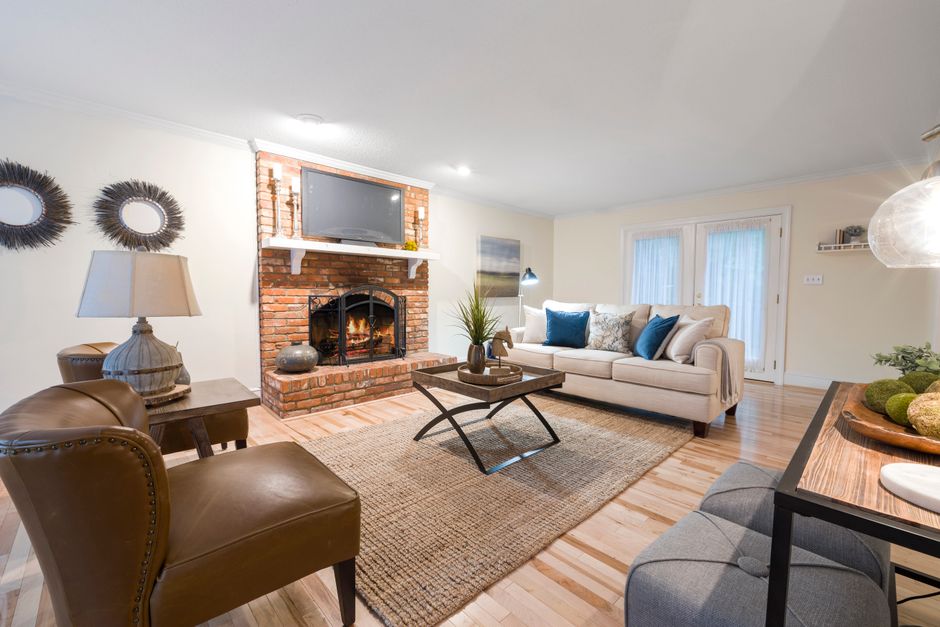
It's worth saying clearly: Ofsted isn't assessing your interior design taste, the age of your furniture, or whether your home looks "impressive." The entire focus is genuine safety and suitability for the specific children you'll be caring for: a modest, well-maintained, hazard-aware home passes this assessment just as readily as a large one.
Once your home is approved, the next job is getting your parent contract and policies sorted. GoChildmind generates both from a single survey about your setting.
Preparing for your visit
Walk through your home from a child's-eye view before your registration visit: get down to their height, check what's within reach, and think through what could realistically go wrong in each room. Most childminders find the actual visit far less stressful than the anticipation of it, once they've done this kind of honest self-check beforehand.
Specific requirements are set by Ofsted and reviewed periodically. Always check current guidance directly on gov.uk or with your local authority before your registration visit.